
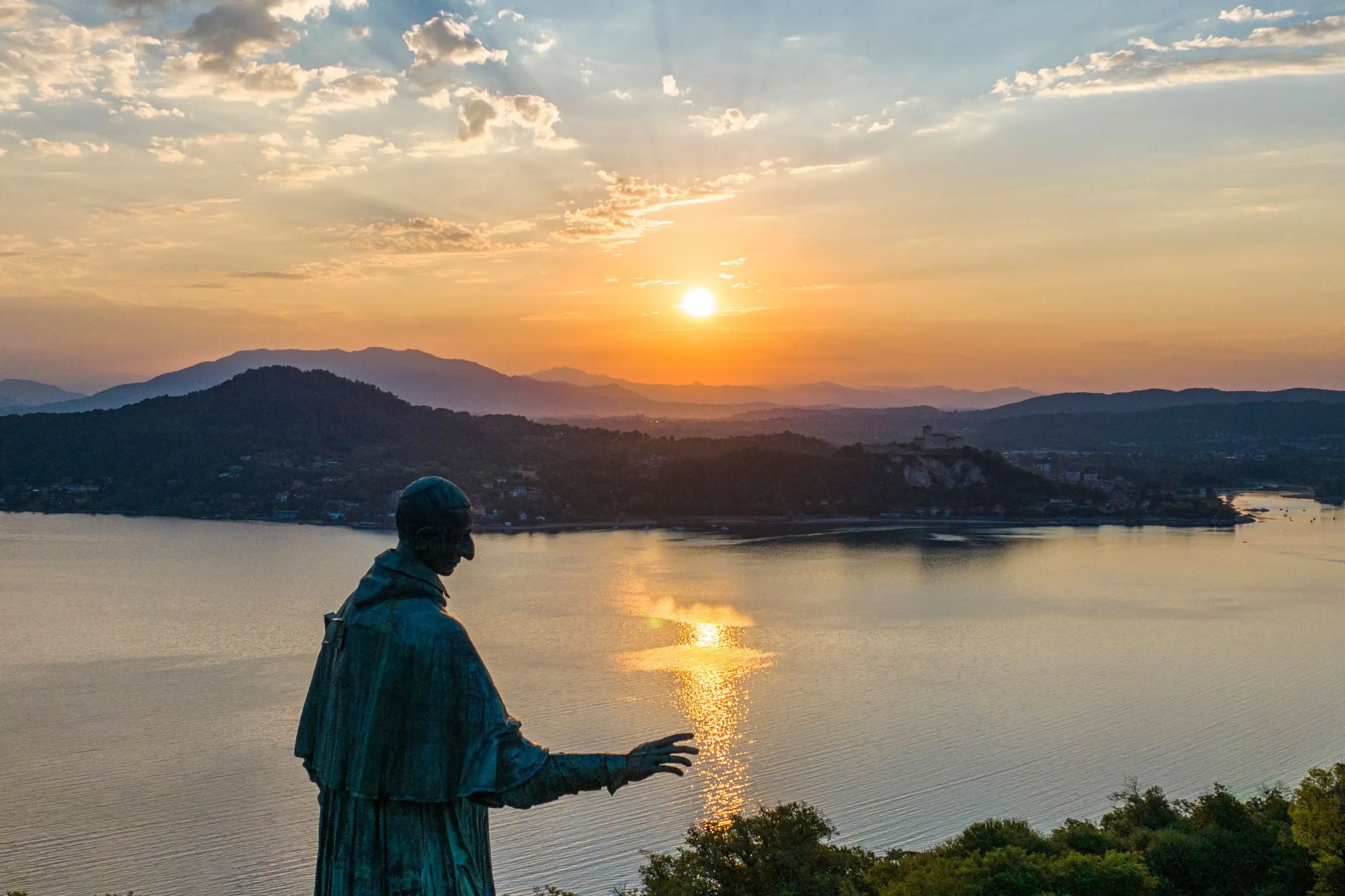
Beyond the usual spots: an Italy you’ve never seen
A few days ago I met a Spanish girl who had recently been to Puglia, and she asked me for advice: what to see in Italy beyond the classic destinations, like Florence, Rome and Venice.
You won’t believe it, but I went silent for a full minute. Not a single word. The truth is I had so many suggestions running through my head that I couldn’t pick just one on the spot.
And that’s exactly what got me thinking: choosing what to see in a country like Italy is never easy. Because Italy, like few other places in the world, has it all: history, art, culture, mountains, sea, food. Whatever you’re looking for, Italy can offer it to you, and it will never disappoint.
So I decided to take some time to dedicate to my home country, and share with you a few places to see that go beyond the most obvious destinations, the ones everyone already knows by heart.
Because if you’re after history and art, you obviously can’t skip Florence, Rome, Venice. But I promise you Palermo, Rimini, Bergamo and Bologna are wonderful, and there are places that deserve far more attention than they usually get.
If instead you’re after some nature, you definitely can’t avoid the Dolomites, the Tuscan hills, Lake Maggiore. But I promise you Umbria is beautiful, the Lazio hinterland is spectacular, and there are mountain lakes with waters you won’t easily forget.
If you want the sea, of course Sardinia, Sicily and Puglia can’t be missing from your trip. But if you’re after something less obvious, you absolutely have to go to the Marche.
And if yours is a food-focused trip… well, then you can go anywhere: in Italy you’re always on safe ground.
So if you’re wondering what to see in Italy, the honest answer is: almost everything, as long as you’re willing to look beyond the most obvious destinations. Here are a few suggestions, a little different from usual, that can really give you a view of Italy well beyond Instagram.
Here are a few practical tips to help you plan a trip around Italy: how to get there, how to get around, how to organise your trip and when to go. It may sound straightforward, but Italy is a long country, its regions can be very different from one another, and distances are often underestimated when planning an itinerary with several stops.
Show all tips ↓ Hide tips ↑
How to get to Italy
Italy has numerous airports and international rail connections, so there is no single ideal gateway into the country. The best choice depends mainly on the area you want to visit, where you are travelling from and how you have planned your itinerary.
- By plane: for travellers arriving from abroad, the main gateways are generally Rome Fiumicino and Milan Malpensa. Rome is particularly convenient if your trip focuses on central Italy or if you plan to continue towards Naples and the south, while Milan is one of the most practical gateways for exploring northern Italy. That does not mean, however, that you necessarily need to fly into one of these two cities. Depending on your itinerary, Venice Marco Polo, Bologna, Bergamo or Naples may be much more convenient, while for a trip focused on the islands it is worth checking direct flights to Catania or Palermo in Sicily and Cagliari in Sardinia. If, for example, your trip is mainly about Venice, the Dolomites or north-eastern Italy, there would be little point in flying into Rome simply because it is one of the country’s major airports. To compare flights, airports and fares, I use Google Flights .
- By train from abroad: Italy can be reached directly by rail from several European countries, particularly France, Switzerland, Austria and Germany. Again, there is no single entry station: it depends on the direction you are travelling from. Milano Centrale is one of the country’s main international railway hubs and is particularly convenient for travellers arriving from Switzerland or France. Torino Porta Susa is another important gateway for travellers coming from France, especially along the route crossing Lyon and the Alps. If you are arriving from Austria or Germany, one of the main rail routes crosses the Brenner Pass and gives access to cities such as Verona and Bologna. Venice is also an important railway gateway for travellers arriving from Austria and Central Europe. Once you are in Italy, it is generally easy to continue from these cities towards the main destinations using high-speed trains or regional services. Always check timetables and tickets on the official Trenitalia website . To compare different rail options quickly, I also use Trainline and TrainPal .
- By bus: Italy is connected by long-distance buses with many European cities, and this can be an interesting option if you are looking for lower fares or travelling from somewhere without a direct rail connection. One of the most widespread operators is FlixBus , which has an extensive network both within Italy and across Europe. Itabus is also useful for many routes within Italy. To compare routes, timetables and fares from different operators, you can also use Trainline , which allows you to search and book many bus services as well as trains. Bear in mind, however, that no comparison website necessarily includes every regional and local service: for shorter journeys, you may need to check the local transport company’s website directly. For very long international journeys I generally find flying or travelling by train more practical, but buses can be a good alternative depending on your departure point, the price and your final destination.
- By car: if you are travelling from a neighbouring country or taking a wider road trip through Europe, you can of course enter Italy directly from France, Switzerland, Austria or Slovenia. In this case, there is no need to choose a particular city as your arrival point: you can simply build your itinerary around your first stop. Having a car becomes particularly useful if your trip continues through small towns, rural areas, mountain regions or stretches of coastline where having your own vehicle gives you much more freedom.
How to get around Italy
- Renting a car is, in my opinion, the best option if you want to discover Italy beyond its major cities. It is particularly useful if your itinerary includes small towns, countryside, vineyards, mountains, beaches, natural parks or places scattered across a wider area . There are many parts of Italy where relying exclusively on public transport means having to organise your trip around the available timetables, whereas with a car you can decide how long to stay, change your plans and make spontaneous detours along the way. This is especially true if you want to explore rural areas, mountain regions, stretches of coastline and smaller towns, where public transport may be less frequent. In the major cities, however, the situation changes completely. In Rome, Milan, Florence, Bologna, Naples or Turin, a car is often unnecessary and can become more of a problem than an advantage, mainly because of traffic, parking and limited traffic zones. Venice, of course, is a completely different case: the historic centre is explored on foot and by water transport. If you are planning a mixed itinerary, it can therefore be much more practical to travel by train between the major cities and rent a car only for the part of your trip where you genuinely need one .
- By train: for travelling between Italy’s main cities, it is probably the easiest option. The high-speed rail network connects cities such as Turin, Milan, Verona, Venice, Bologna, Florence, Rome and Naples extremely well, along with many other destinations. For classic itineraries such as Milan – Venice – Florence – Rome – Naples, I would personally choose the train without hesitation: you generally leave from and arrive right in the city centre, without having to worry about traffic, parking or ZTL restrictions. High-speed services are mainly operated by Trenitalia and Italo . Regional trains also reach a huge number of smaller places and, in some areas, can be extremely useful for sightseeing itineraries. Think, for example, of the Cinque Terre, where travelling by train is often far more practical than driving, or of the many towns and villages around Italy’s lakes and coastlines. This does not mean that every Italian village is easy to reach by rail: once you move away from the main routes, the situation varies considerably from one region to another.
- By bus: Italy’s long-distance bus network is fairly extensive and can be particularly useful for reaching places without a direct railway connection. Operators such as FlixBus and Itabus connect many Italian cities. There are also regional and local operators, which are particularly important in areas not served by rail. To compare different long-distance connections, you can also check Trainline , which allows you to search for both trains and many bus services in the same place. The problem is that there is no single nationwide network where you can check every local bus service. Operators, frequencies, ticketing and booking systems vary from region to region and, in less populated areas, services can be much less frequent. For this reason, I think buses are an excellent option for individual journeys or reaching destinations without a railway station , but they are less practical if you want to build a travelling itinerary with several different stops in the same day.
In short, there is no single best way to travel around Italy. For journeys between the major cities, travelling by train is often the easiest and most convenient option. If you want to explore countryside, small towns, mountains, coastlines and more rural areas, however, having a car gives you a level of freedom that public transport cannot always provide . Buses work well alongside both options and can be particularly useful when your chosen destination does not have a railway station or when there is a more convenient direct bus connection.
How to plan a trip around Italy
The most important thing, in my opinion, is not to try to see too much of Italy in a single trip. On a map, cities and regions can look relatively close to one another, but once you add transfers, check-ins, parking, sightseeing and detours, it is very easy to lose far more time than expected. Italy is much more enjoyable when explored area by area: you can focus on the north, part of central or southern Italy, or choose one or two regions and discover them at a slower pace. If your trip crosses a large part of the country, it can also make sense to arrive in one city and fly home from another, avoiding the need to return to your starting point simply to catch your flight home.
- Don’t turn every day into a travel day. Visiting Florence, Rome, Naples, Venice and Milan in just a few days is technically possible, but it means spending a considerable part of your trip dealing with stations, luggage and hotels. When a city has a lot to offer, I prefer to give it enough time to wander around without constantly checking the clock. The same applies to road trips: a scenic road, a village you discover by chance or an unplanned stop can easily become one of the best parts of the journey.
- Book high-speed trains in advance if you already know the dates of your main journeys. Frecciarossa and Italo make it possible to cross a large part of the country quickly, but on the busiest routes, waiting until the last minute can mean having fewer departure times to choose from or finding less convenient fares. To compare the different options, you can use Trenitalia , Italo , Trainline or TrainPal .
- Book any must-see attractions in advance. In Italy’s most visited cities, some of the best-known attractions have limited admission, timed entry slots or availability that can sell out, particularly during the busiest periods. If your trip revolves around a particular museum, archaeological site or monument, check the official website before you travel rather than waiting until you are already there.
- If you are driving, pay close attention to ZTL zones. Many historic Italian city centres have limited traffic zones monitored by cameras, and driving through an access point without authorisation can result in a fine. If you are staying in the city centre, ask your accommodation whether it has parking, whether it can register your vehicle’s number plate or whether it is better to leave the car outside the restricted area. In many cities, the easiest solution is to park on the outskirts and continue on foot or by public transport.
- Always allow for the real amount of time needed to travel. A two-hour drive shown by your sat-nav does not necessarily mean losing only two hours: you also need to account for checking out, getting to the station or collecting the car, finding somewhere to park and settling into your next destination. If you are planning an itinerary with many stops, leave yourself some breathing room rather than scheduling every day down to the minute.
- For islands and destinations reached by ferry, check connections and book ahead during the high season. This is particularly important if you are travelling with a car: during the busiest periods, vehicle availability on ferries can be very different from availability for foot passengers.
- Leave room for detours. Some of the most interesting places in Italy are not necessarily destinations you would build an entire trip around: they might be a small village, a lake, a scenic road, a winery or a restaurant discovered between one destination and another. Especially if you are travelling by car, I would avoid planning days so tightly that you cannot change your plans even by an hour.
When to visit Italy
Giving a single answer to this question is almost impossible: the best time to visit depends enormously on the region and on the kind of trip you are planning. The climate in the Alps is nothing like the climate in Sicily, just as a trip focused on art cities requires very different considerations from a beach or mountain holiday. If, however, you are planning a first trip combining cities, small towns and landscapes, spring and early autumn are probably the most balanced times of year.
- April and May are among my favourite months for travelling around Italy. The days are getting longer, the countryside is green and temperatures are generally much more pleasant for exploring cities and towns than during the height of summer. It is also a great time for lakes, rolling countryside, road trips and journeys involving plenty of time outdoors. Bear in mind, however, that Easter, 25 April and 1 May can coincide with particularly busy periods and increased demand for transport and accommodation.
- June can be an excellent compromise if you want to combine cities, the coast and the mountains. The days are very long and the beach season has already begun across much of the country, although temperatures can already become very high as July approaches, particularly in cities in central and southern Italy.
- July and August are perfect for the coast and high mountains, but less straightforward for an itinerary focused mainly on art cities. Temperatures can be intense, while coastal resorts, islands and many tourist destinations reach one of their busiest periods of the year. If you are travelling during these months, I would plan city sightseeing mainly for the morning and late afternoon, avoiding long walks during the hottest part of the day whenever possible. August also requires a little more planning, especially if your trip includes seaside or mountain destinations, where accommodation and transport can be in very high demand.
- September is one of the best months for a touring itinerary. Temperatures generally start to become more comfortable, the days are still fairly long and in many parts of southern Italy and the islands it is still possible to enjoy the sea. It is also grape-harvest season in many Italian regions, making it particularly interesting if your journey passes through wine-producing areas and countryside.
- October is particularly good for cities, small towns, countryside and food-focused trips. Temperatures are normally milder than in summer, the light changes and autumn colours begin to appear in many areas. I would happily choose this period for a road trip through Tuscany, Umbria, Piedmont, Emilia-Romagna or other rural areas, while keeping in mind that the days are becoming shorter and the chance of rain increases.
- Between November and March, Italy changes completely. It can be a very interesting period if you mainly want to focus on cities, museums, food or thermal spas, while in the Alps and Apennines the winter sports season gets underway. The days are shorter and the weather can be cold or unsettled, particularly in northern Italy and inland areas, but many places have a completely different atmosphere compared with the summer months. Christmas, New Year, Carnival and the main ski resorts are, of course, exceptions and can be very busy.
In practice, there is no wrong season to visit Italy: you simply need to choose the time of year according to what you want to see. For a classic itinerary combining cities, small towns and landscapes, I would mainly choose April, May, September or October; for the coast I would naturally look at summer and early autumn, while snow and winter sports are best enjoyed during the colder months.
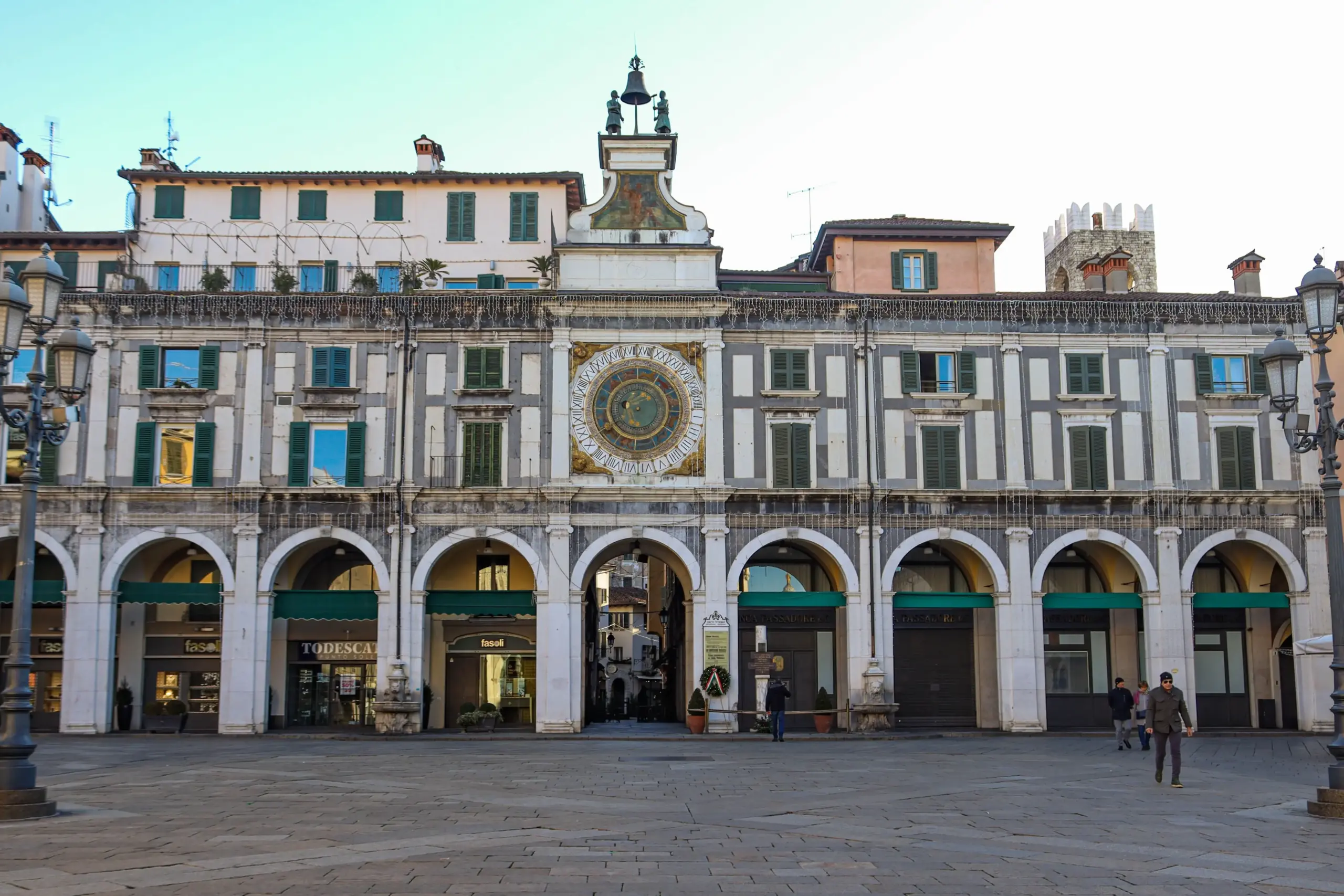
History: two thousand years… and then some
In Italy, history isn’t something you visit only in museums: you live it as you walk, among the alleys of a village, in city squares or along a country road. Every era has left its mark, and it often happens — more often than you’d think — that traces from wildly different periods coexist in the same place, just steps away from one another.
When people think of Italian history, their mind jumps straight to the Romans, the Renaissance and perhaps the Baroque, and therefore to Rome and Florence. But our country preserves layers of history that are both far older and far more recent than most people imagine.
There’s the Palaeolithic, with sites like the Grotta del Romito in Calabria — one of the most important archaeological sites in Europe for the study of this period, with rock engravings and burials dating back more than 20,000 years — or the National Park of Rock Engravings of Naquane in the province of Brescia: worth a small piece of trivia here, because it wasn’t just Italy’s first recognised UNESCO site (1979), but also Italy’s very first archaeological park, established back in 1955.
Then there are the Etruscans, whose traces you can discover in the necropolises of Tarquinia and Cerveteri, in Lazio, or standing before the Porta all’Arco in Volterra, Tuscany.
There is Magna Graecia, with the Valley of the Temples in Agrigento, which at sunset is genuinely breathtaking.
And then comes the Roman era, with Pompeii and Herculaneum, in Campania: two ancient cities that keep giving back stories, details and fragments of everyday life, and which, every time I go, still manage to enchant me.
Then comes the Middle Ages of San Gimignano and its towers, the more understated Renaissance of Mantua — nicknamed “the Sleeping Beauty” — and the Baroque, which in Lecce and Noto, in Sicily, takes on an entirely different light.
Every Italian city, in fact, is a true palimpsest: layers of different eras settling one on top of the other over the centuries, almost without a break. Verona, for example, moves seamlessly from its Roman Arena to its medieval and Renaissance centre. And then there is Palermo, with its Arab-Norman heritage, perhaps one of the most striking examples of how wildly different cultures can merge into a single, extraordinary architectural identity.
But Brescia, just a short distance from Milan, also deserves a place in this story: The Guardian devoted an entire article to the city, describing it — in their own words — as Everything you’d want from Italy, all in one place.
In Italy, in short, every stone has something to tell you: all it takes is the will to listen… and to walk 😊
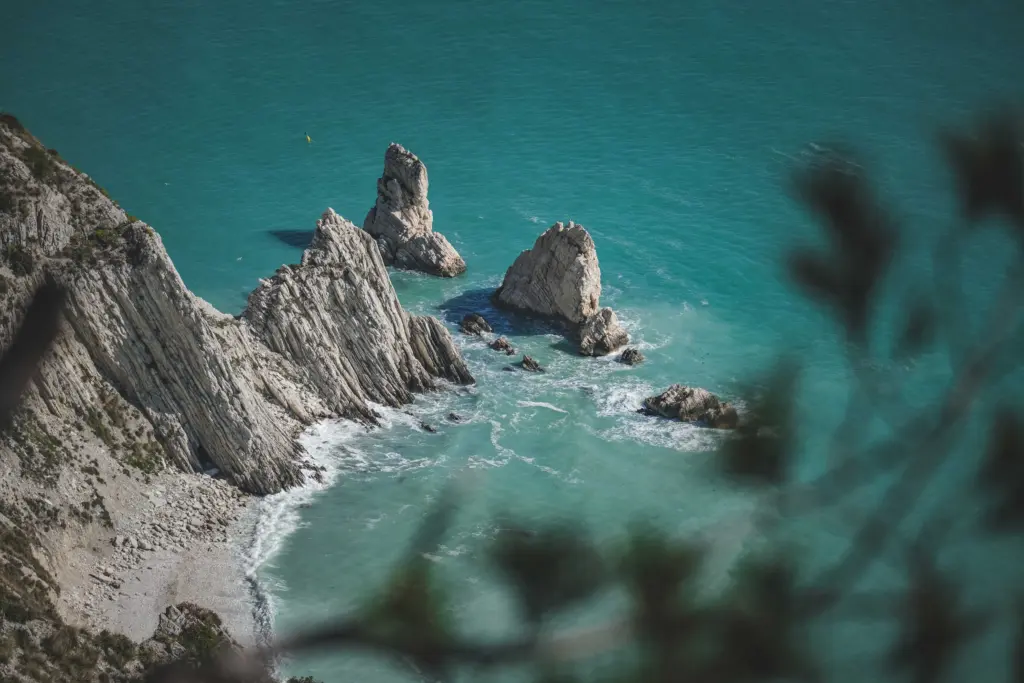
Sea: dream beaches beyond the best-known destinations
With around eight thousand kilometres of coastline, Italy could easily rely on its most famous beaches alone. And yet, as soon as you move away from the most photographed destinations, you discover coves, headlands and small islands that can be every bit as surprising as the great icons of Italian tourism.
Sardinia, Sicily, Puglia and the Amalfi Coast fully deserve their reputation, but Italy is also home to lesser-known stretches of coastline that are just as spectacular.
In Liguria, Camogli still preserves the colourful atmosphere of a traditional seaside village, while the Marche region offers the Conero Riviera, with its white cliffs, hidden coves and our favourite: Due Sorelle Beach.
In Lazio, the Pontine Islands — Ponza, Ventotene and wild Palmarola — feel a world away from the mainland, even though they’re only a few hours’ sailing from the coast.
In Puglia, beyond the better-known beaches of Salento, you will find places such as the Torre Guaceto Nature Reserve and the Tremiti Islands, a small Adriatic archipelago of crystal-clear water, secluded coves, incredibly rich seabeds and trails surrounded by Mediterranean vegetation.
Further south, the Cilento offers over a hundred kilometres of coastline, small fishing villages and a hinterland protected by one of Italy’s largest national parks — complete with UNESCO World Heritage status for its archaeological side, among the sites of Paestum and Velia: a quieter, more genuine alternative to the nearby and heavily crowded Amalfi Coast.
And while we are talking about islands, don’t miss the Aeolian Islands, a UNESCO-listed volcanic archipelago made up of seven very different islands: from Stromboli, dominated by its active volcano, to Alicudi and Filicudi, more remote, peaceful and wild. Then there are the Egadi Islands, part of a protected marine area, or Pantelleria, surrounded by an immense expanse of deep blue sea.
Whether you prefer dramatic cliffs, coves that can only be reached on foot, seaside villages or tiny islands, the Italian coastline still has so much to tell beyond its most famous destinations. You only need to leave the usual routes behind to discover a slower, more surprising and more authentic coast — All it takes is stepping off the usual routes to discover a slower, more surprising and more authentic coast — the one that, in the end, stays with you longest.
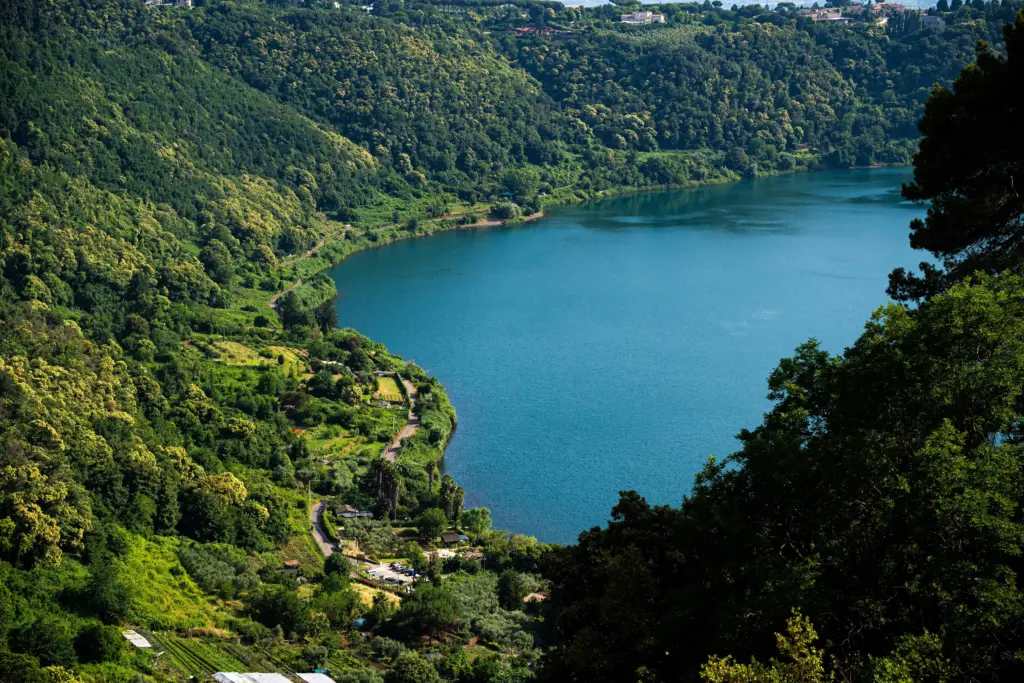
Inland: volcanic lakes, Roman waterfalls and other surprises
If you think inland Italy is all about the Dolomites, the Tuscan hills and the famous northern lakes such as Lake Maggiore or Lake Como, you’re missing out on a huge part of the country. This is a quieter Italy, made up of alpine lakes, plateaus, waterfalls, volcanic craters and villages overlooking the water: landscapes still, at least in part, far from the busiest routes.
In Trentino, the Valle dei Laghi is dotted with lakes surrounded by vineyards and mountains.
In Tuscany, the Crete Senesi offer landscapes that change with the seasons and feel very different from the more familiar images of Chianti and the Val d’Orcia.
In Emilia-Romagna, you will find the Bolognesi hills and the Trebbia River, with its cool waters and beautiful scenery.
In Umbria, the Marmore Falls remain a small spectacle capable of surprising even those who have already seen them. Few people know that this is not a natural phenomenon, but the highest man-made waterfall in Europe — some even say in the world: 165 metres divided into three drops, created in 271 BC on the orders of the Roman consul Manius Curius Dentatus to drain the Rieti Plain. Its origins are also linked to a love legend, that of the nymph Nera and the shepherd Velino.
In nearby Lazio, Lake Bolsena fills the caldera of an ancient volcanic complex and is surrounded by villages such as Bolsena, Marta and Capodimonte. A curiosity worth telling: it’s the largest volcanic lake in Europe, formed around 300,000 years ago by the collapse of the Volsini Mountains complex.
A little further south, Lake Turano offers unexpected views, particularly around Colle di Tora. Or there are the lakes of the Castelli Romani which, worth noting, aren’t actually castles at all… they’re hills.
Southern Italy has equally spectacular landscapes to offer. In Basilicata, the Lucanian Dolomites rise around the villages of Castelmezzano and Pietrapertosa, among rocky pinnacles, canyons and panoramic trails. In Puglia, the Itria Valley, with its trulli, dry-stone walls and olive trees, creates one of the most recognisable rural landscapes in Italy.
And on Mount Etna, in Sicily — which would already be worth the trip on its own — the Grotta del Gelo preserves permanent ice inside an active volcano: an extraordinary phenomenon and one of the most unusual hikes we have ever done.
Whether you love mountain lakes, villages suspended in time, or landscapes that seem to belong to another planet, inland Italy always has something to offer beyond the beaten track.
Because in Italy, more often than not, the real spectacle is hiding exactly where nobody’s looking.
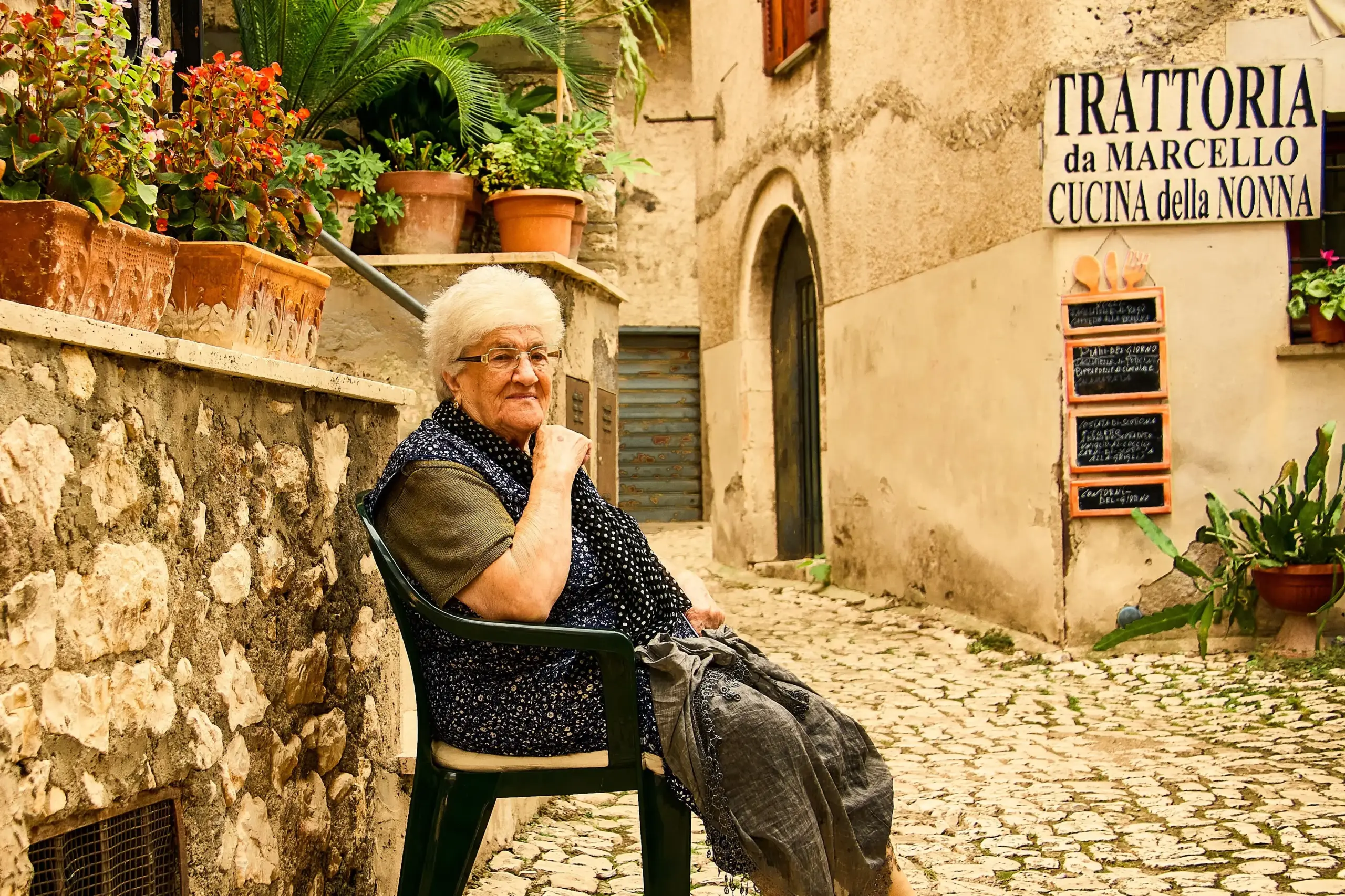
Food: a journey through flavours, region by region
If yours is a food-focused trip, in Italy you can go practically anywhere: every region, and often every province, has its own recipes, ingredients and traditions. The real discovery, especially for those coming from abroad, is realising there’s no single “Italian cuisine”, but a mosaic of local cuisines, all very different from one another, handed down from grandmothers to grandchildren.
There are, of course, the Italian dishes most famous the world over: Neapolitan pizza, Emilian lasagne, Roman carbonara, Milanese risotto, Genoese pesto and tiramisù. But these are only the starting point of a much broader culinary journey.
Alongside the best-known recipes, there’s the black truffle of Norcia, baccalà alla vicentina, Calabrian ‘nduja, Sardinian culurgiones, Florentine lampredotto. These are dishes often little known outside their own region, but capable of telling the story of a place, its history, and even the way families adapted over time to what they had available.
A practical tip before you set off: be wary of restaurants right next to the most visited monuments, especially when they display endless menus translated into several languages and someone is insistently trying to pull you in. Look instead for trattorie frequented by locals, small places with just a handful of daily dishes, and city markets: that’s often exactly where you’ll find the most authentic food.
And if you want to spark an argument with a Sicilian, try asking whether it’s arancina or arancino: in Palermo it’s traditionally feminine and round like an orange, while in Catania it’s masculine and often pointed like Etna. On this, you’ll probably never find agreement — so much so that even the Accademia della Crusca and the Oxford English Dictionary have had to weigh in. In Italy, nobody jokes about food!
And the wines? Now that’s an even longer… and even tastier… subject, but it deserves an article of its own.
It’s no coincidence, then, that in December 2025, UNESCO declared Italian cuisine an Intangible Cultural Heritage of Humanity.
In the end, to really understand Italy, all you need to do is sit down at the table, taste whatever’s put in front of you, and drink a glass of good wine. Only then will you understand Italy: a country of 20 regions and a thousand tables!
Italy, after all, is a country that never stops surprising you — even someone like me, who was born and raised here. Whether you choose to start from history, the sea, the inland regions or the table, the real discovery is always the same: going beyond the most obvious destinations.
Each of these themes alone would deserve a whole book: my promise is not to disappoint your expectations, and, little by little, to share with you as much as I possibly can, with all the storytelling enthusiasm typical of someone who’s in love — and of someone who, like me, never tires of talking about the wonders of her not-quite-perfect but truly beautiful country.